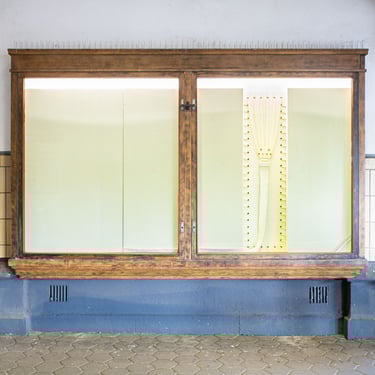
6.4.–16.6.2024
Julia Malgut
[ʃuː] [ʃuː] [ʃuː]
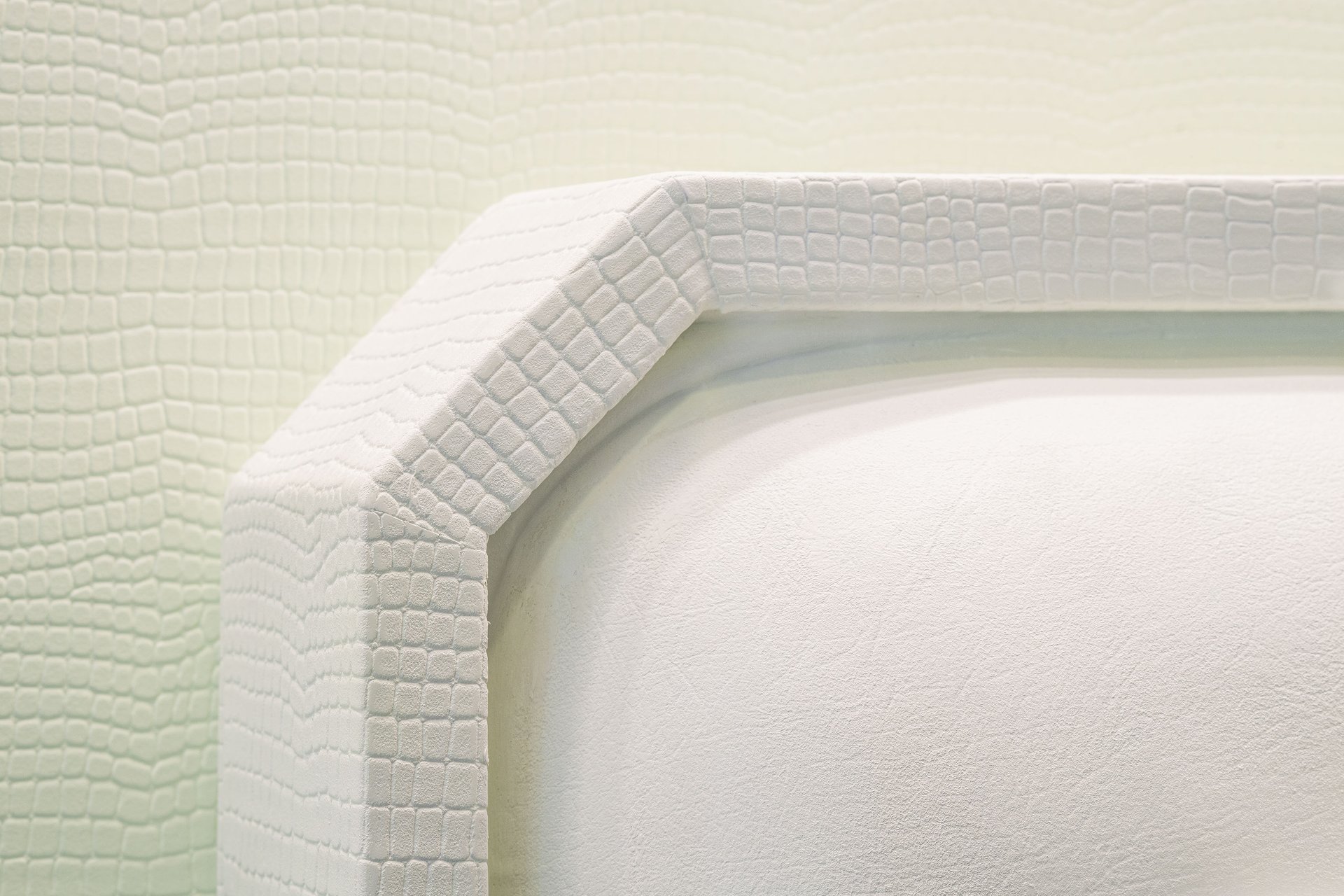
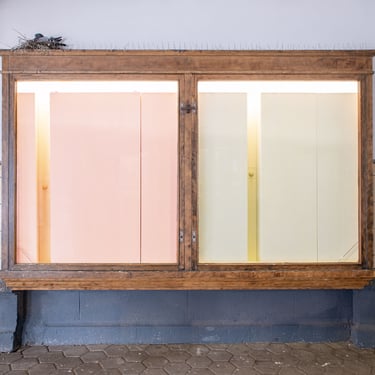
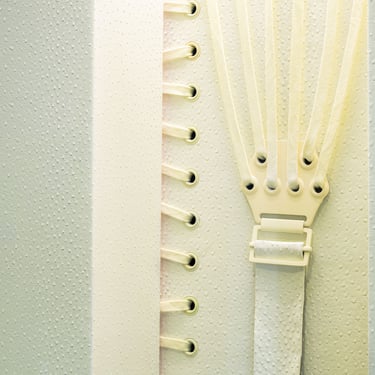
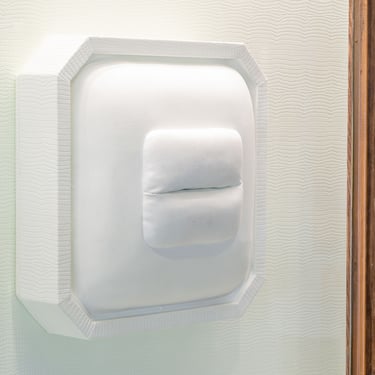
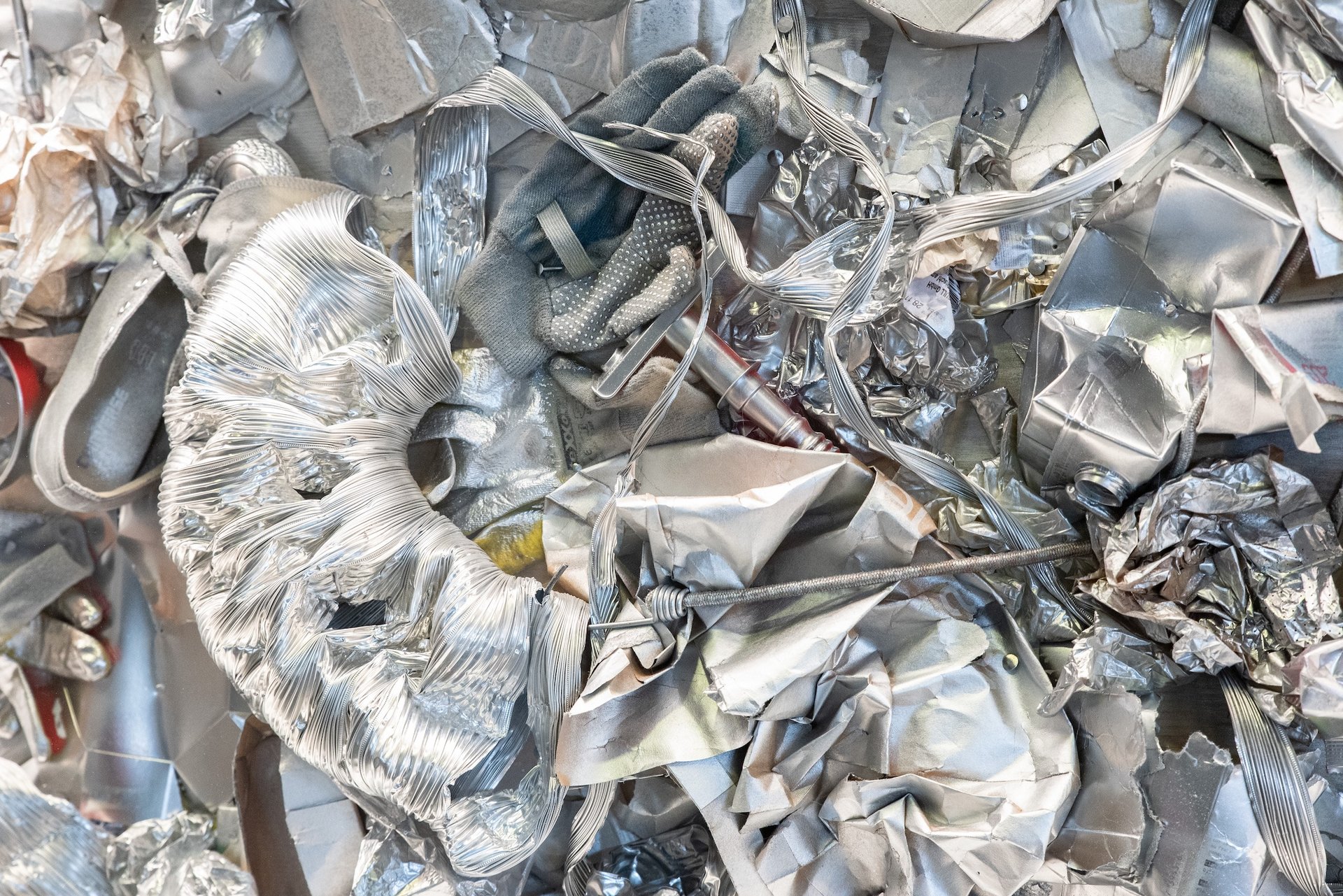
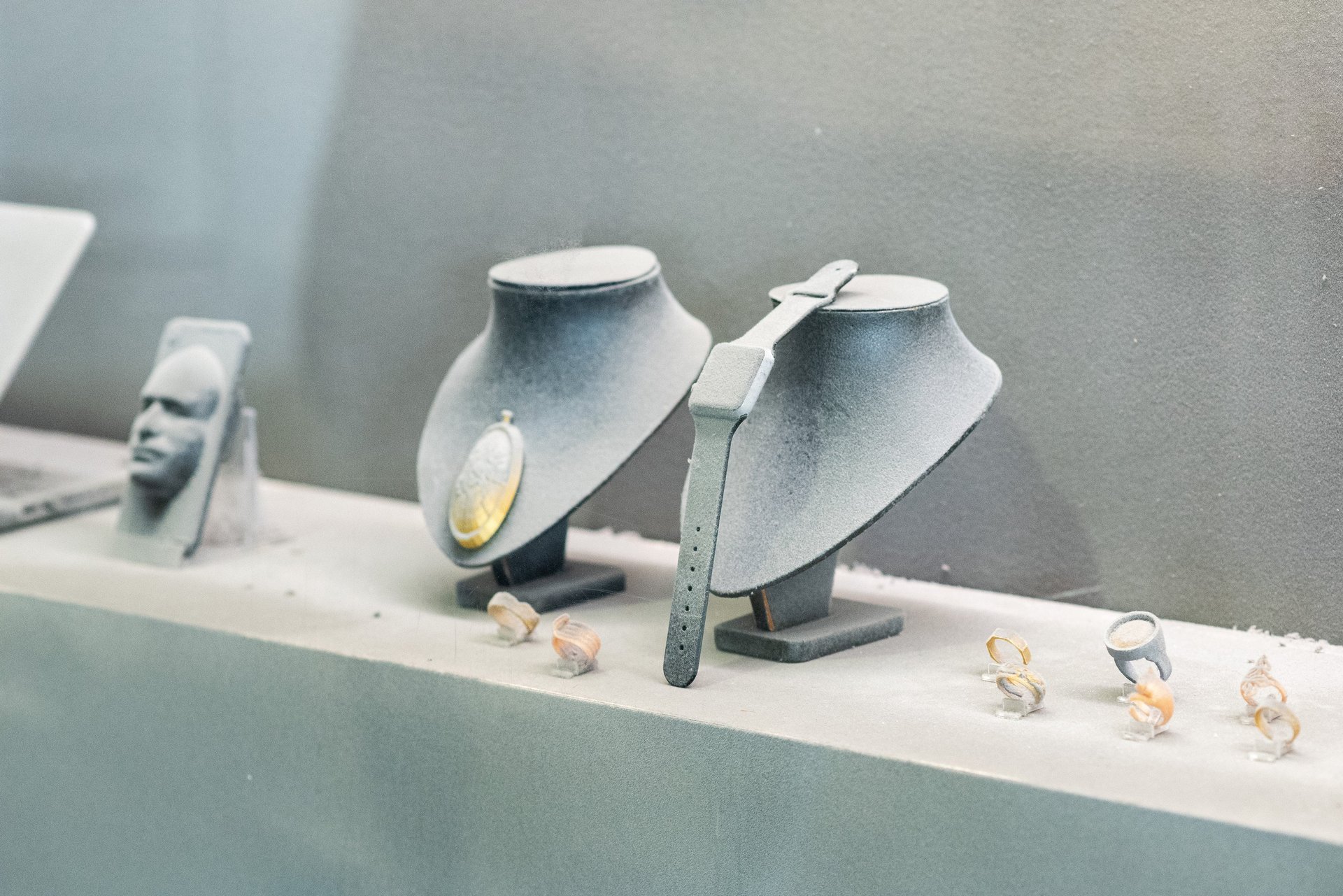
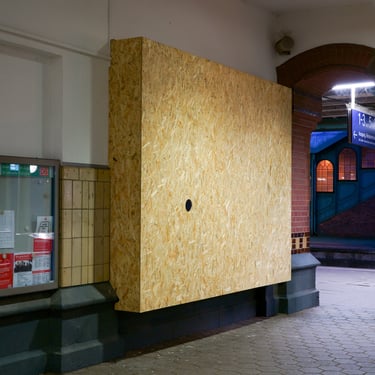
In mostly claustrophobic installations and performative activations, Julia Malgut addresses the physical experience as well as the production and reproduction of socially structured spaces. Her exhibition in the showcases adapts and satirizes the opulent aesthetics of consumer spaces and luxury objects. The focus lies on the materiality and appearance of consumer goods, whose symbolic value is not expressed in their function, but appears entirely in their outward form as a relative, differentiating value. Malgut combines and reinterprets familiar materials and objects from fashion and interior design that are culturally connoted with luxury, thereby raising questions of desire, exclusivity and social distinction. The newly produced works utilize and counteract the images of appearance, creating new artificial surface structures and distorting the view of the familiar. In such, the interior and exterior, the shell and core, are interwoven, but the façade remains.
Photos: Maik Gräf
Kunstverein Harburger Bahnhof

9.12.2023–25.2.2024
Akinori Tao
Hunting Trails
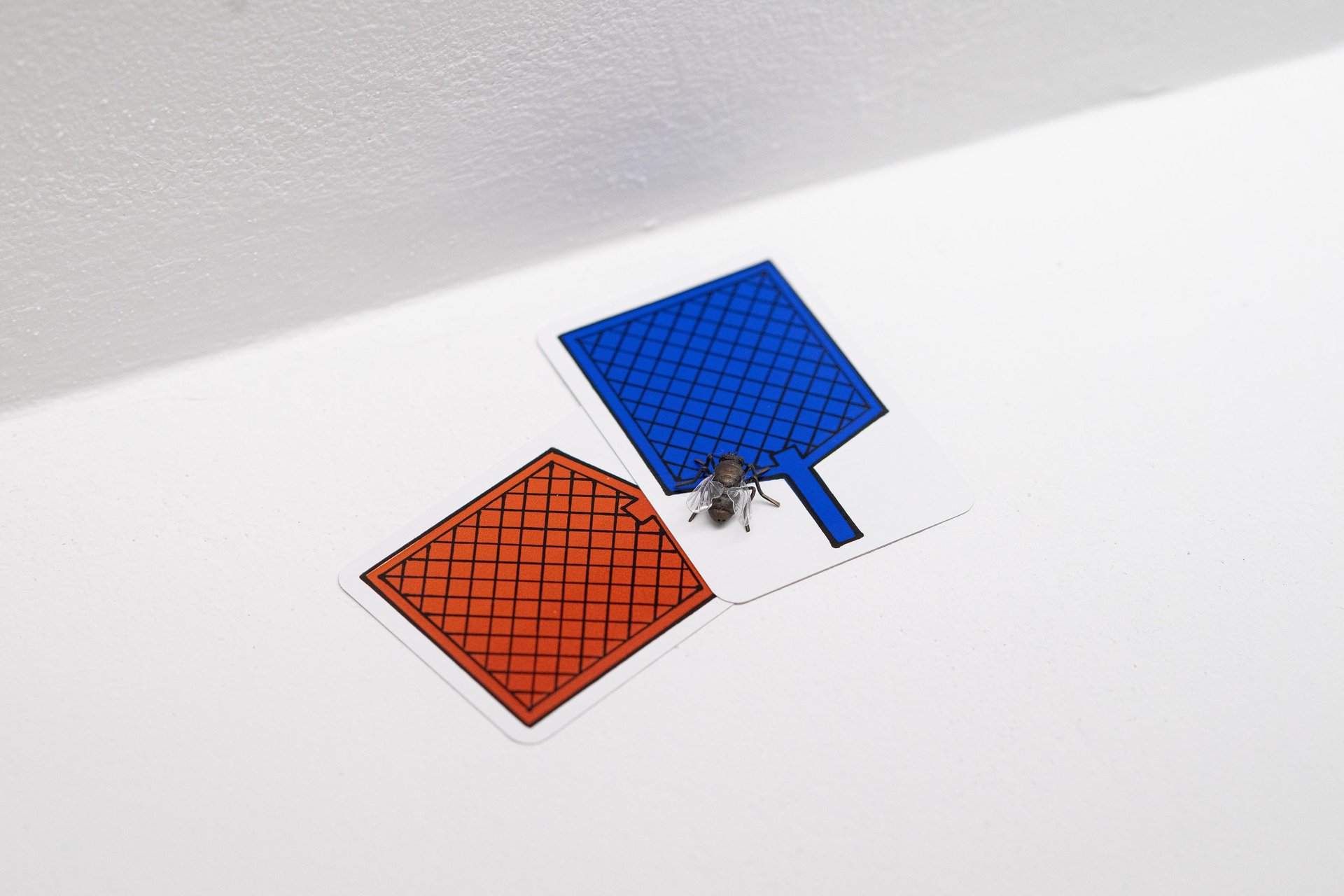
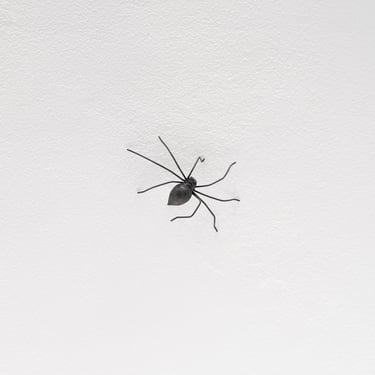
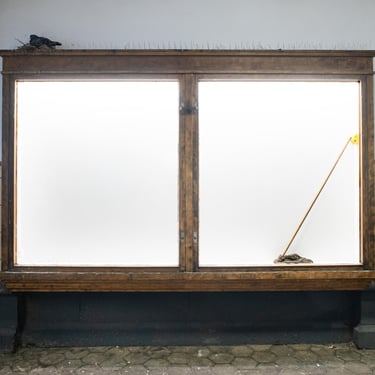
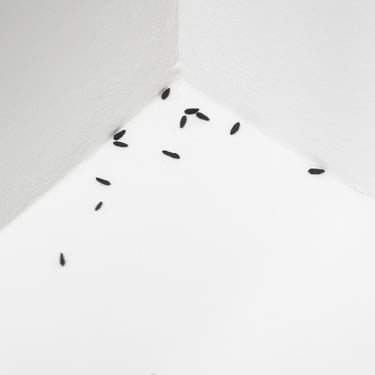
In his solo exhibition in the showcases, Akinori Tao takes up the trail of human and animal traces that can be found in Harburg train station. The artworks appear as subtle interventions in the exhibition space, just as inconspicuous as the remains in the station. In Tao's work, the fleeting gesture of a finger-painted heart in the condensation drops of one's own breath becomes a permanent installation. The tension between ephemeral moments that are preserved using classic sculptural techniques is also reflected in the three other works. These show conceptual, associative hunting practices: a playing card as a fly swatter with a swallow motif, the natural enemy of insects, and a catching device for mice. The exhibition humorously fans out the moment of deception. The principle of mimicry reveals a common feature of art and passive hunting: the representation of what is found out there in the world. To be seen remain the traces of a hunt, but whether it was successful remains an open question.
Photos: Maik Gräf
Kunstverein Harburger Bahnhof
8.7.–15.10.2023
On track
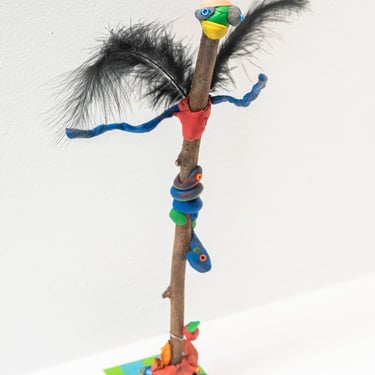
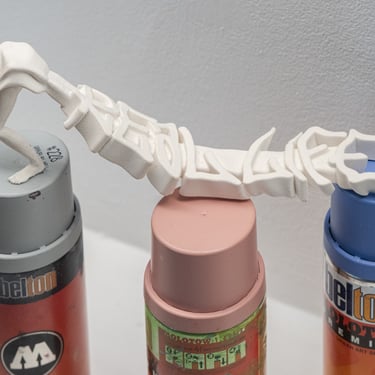
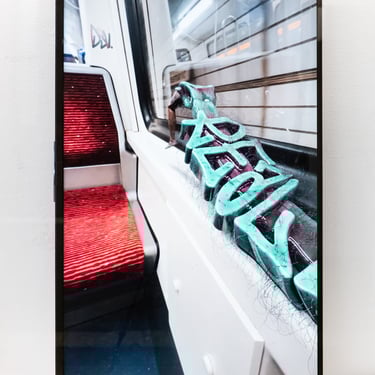
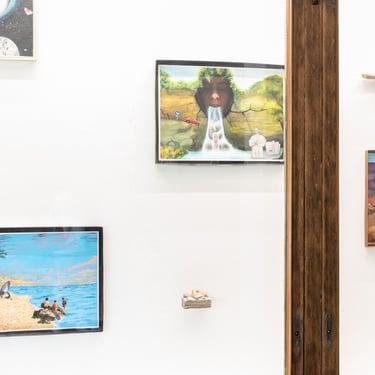
The exhibition features artistic works by more than 60 children and young adults from Harburg, who reflected on the question “What moves you?”. In videos, music, paintings and sculptures, the young artists give insight into their lives and develop personal and societal future perspectives. The artistic process was accompanied by various child, youth and family welfare institutions, whose work will also be made visible in the exhibition.
The exhibition was initiated by Celina Bosco (Straßensozialarbeit Harburg-Kern) and Marie Kuhn (Kunstverein Harburger Bahnhof) in cooperation with the following social institutions: AWO Jugendclub Heimfeld e.V., Dolle Deerns e.V. Mädchen*treff Harburg, Elternschule Harburg, Freizeitzentrum Feuervogel, Gangway e.V., Haus der Jugend Harburg, Jugendclub Blechkiste, KAMI e.V. und StadtteilEltern, Kindertreff Heimfeld, Kinderzentrum Kennedy-Haus, Niels-Stensen-Gymnasium, StoP - Stadtteile ohne Partnergewalt e.V., Straßensozialarbeit Harburg-Kern.
Photos: Maik Gräf
Kunstverein Harburger Bahnhof
10.12.2022–22.3.2023
Masha Silchenko
Nothing Ever Happened
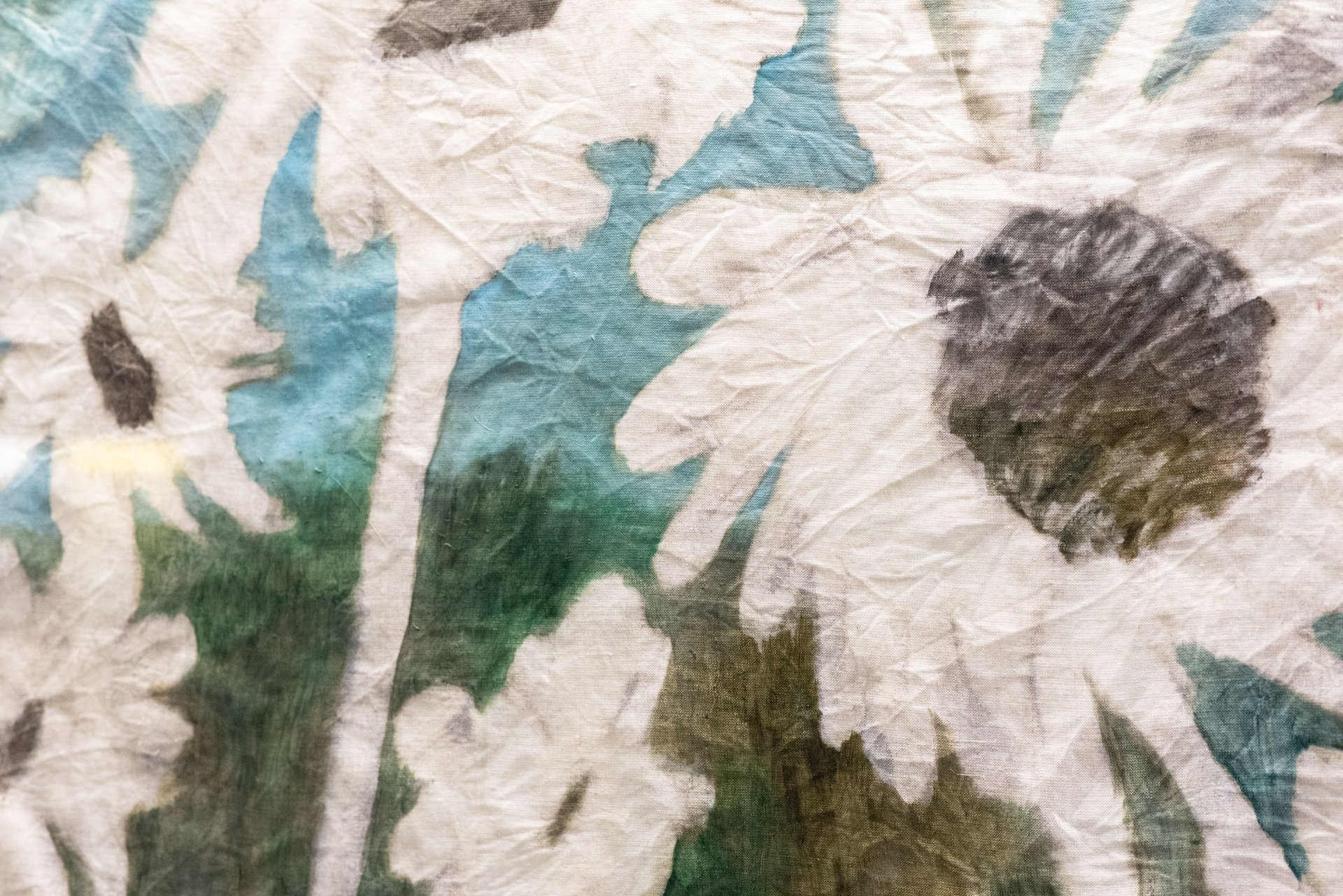
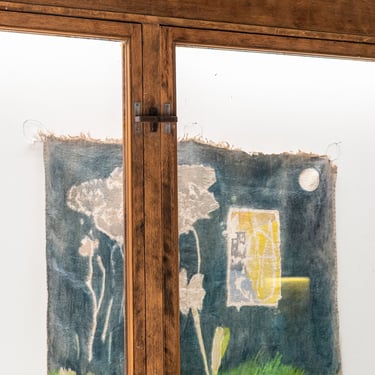
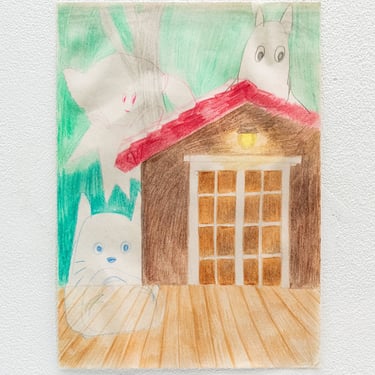
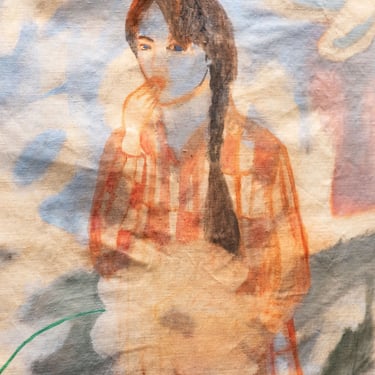
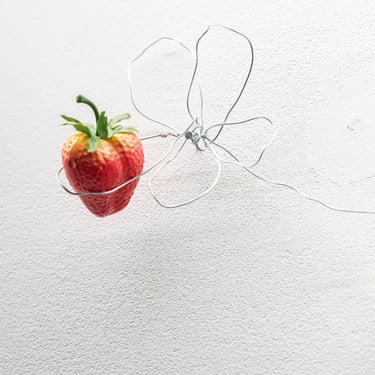
The work of Masha Silchenko revolves around introspection, dreamlike apparitions, and chimerical connections. Her drawings and paintings explore the night as a sanctuary for magical beings. Ghosts become companions in the darkness. Fragile ceramic sculptures have eyes and wings. Time and again, freestanding houses with sparsely lit windows emerge, surrounded by shadowy foliage. Silchenko's focus on the visible and invisible and her extensive study of light and shadow is evident not only in her motifs, but also in the materials and installation of her works. Poetic texts, thoughts, and stories are written on canvas fabrics with bleach, over which glazed layers of paint are applied. In the interplay of various craft techniques such as ceramics, illustration and tapestry, Silchenko develops her own world of fantastic figures. Together with Björn Eichhorn, the artist produces a sound piece based on field recordings which can be accessed digitally by visitors and listened to on the go.
23.2.2023
Björn Eichhorn and Masha Silchenko
Nothing Ever Happened…Listening Session
Photos: Maik Gräf
Kunstverein Harburger Bahnhof
3.9.–20.11.2022
Torben Wessel
No Ideas?
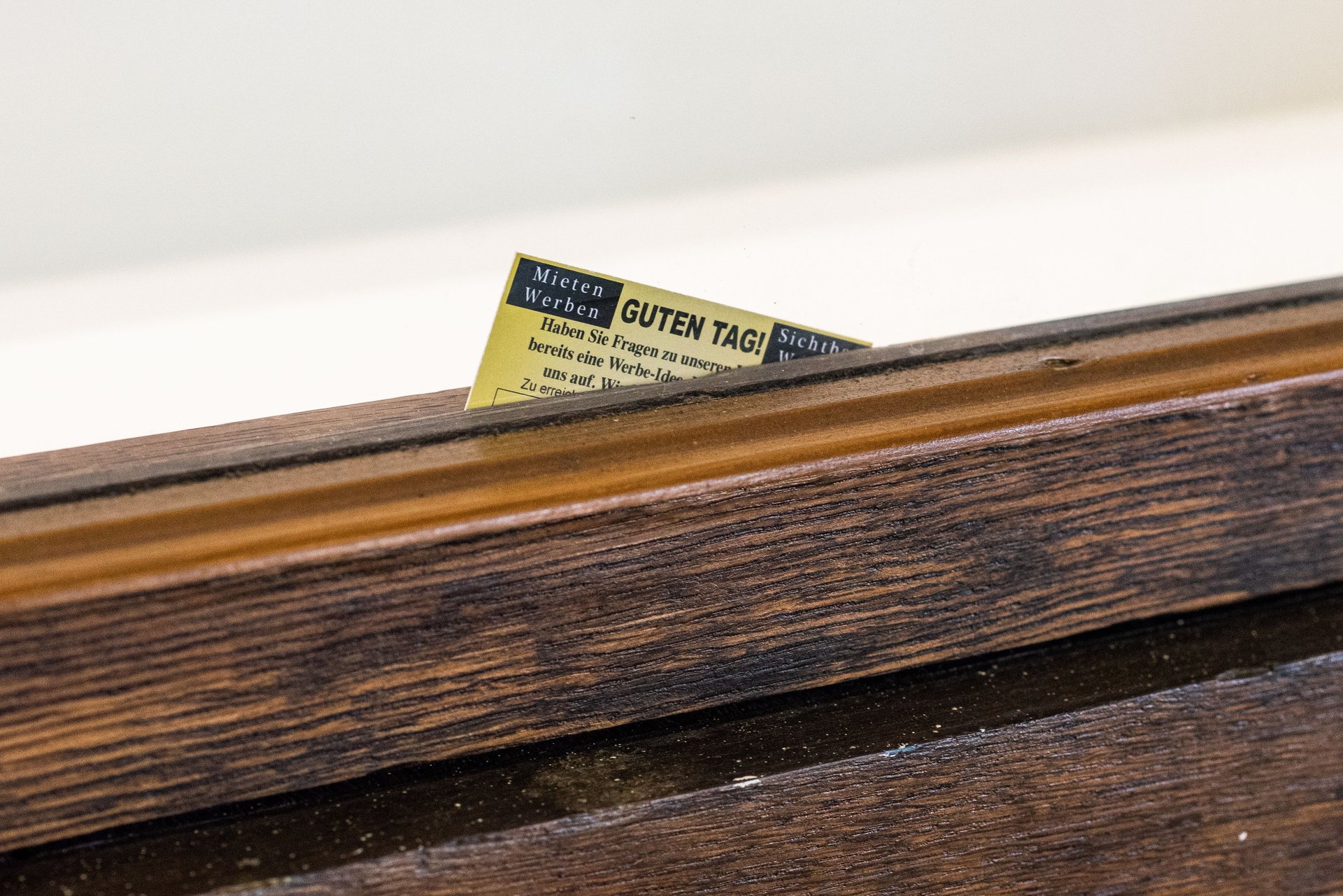
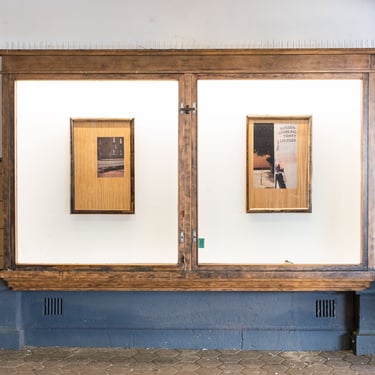
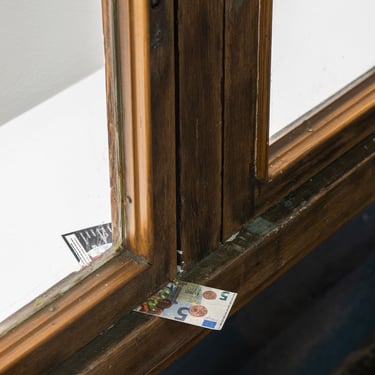
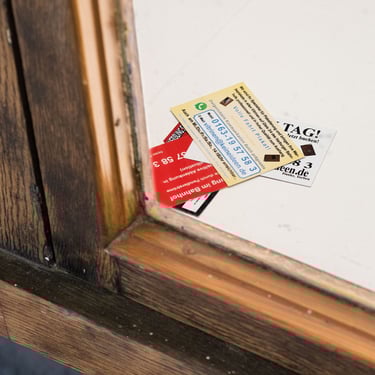
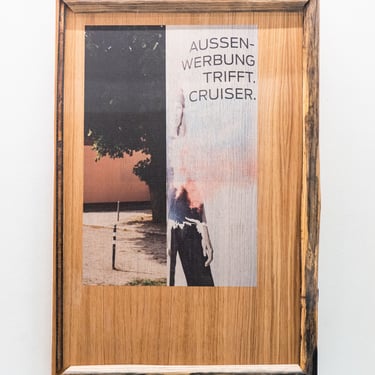
In his exhibition “No Ideas?”, Torben Wessel reflects upon the format of showcases in their original function as a marketing tool. For this, he installs wooden replicas of billboards that appear in the context of train stations. In contrast to the high degree of attention generated by digital advertizing systems and changing light installations, the panels subtly blend into their surroundings. The billboards are advertized through flyers and can be rented inexpensively by local businesses. All proceeds will go towards the prize money of a bingo evening. In documentary photographs serving as a kind of placeholder, Wessel points to the recursive principle of "advertizement for advertizement" that he also pursues. The exhibition addresses the way in which the imperative for self-promotion becomes visible in public space and at the same time questions its role in art.
6.11.2022 / Torben Wessel / Bingo Night
www.keineideen.de
Photos: Maik Gräf
Kunstverein Harburger Bahnhof
4.6.–14.8.2022
Jil Lahr
Things That Found No Space
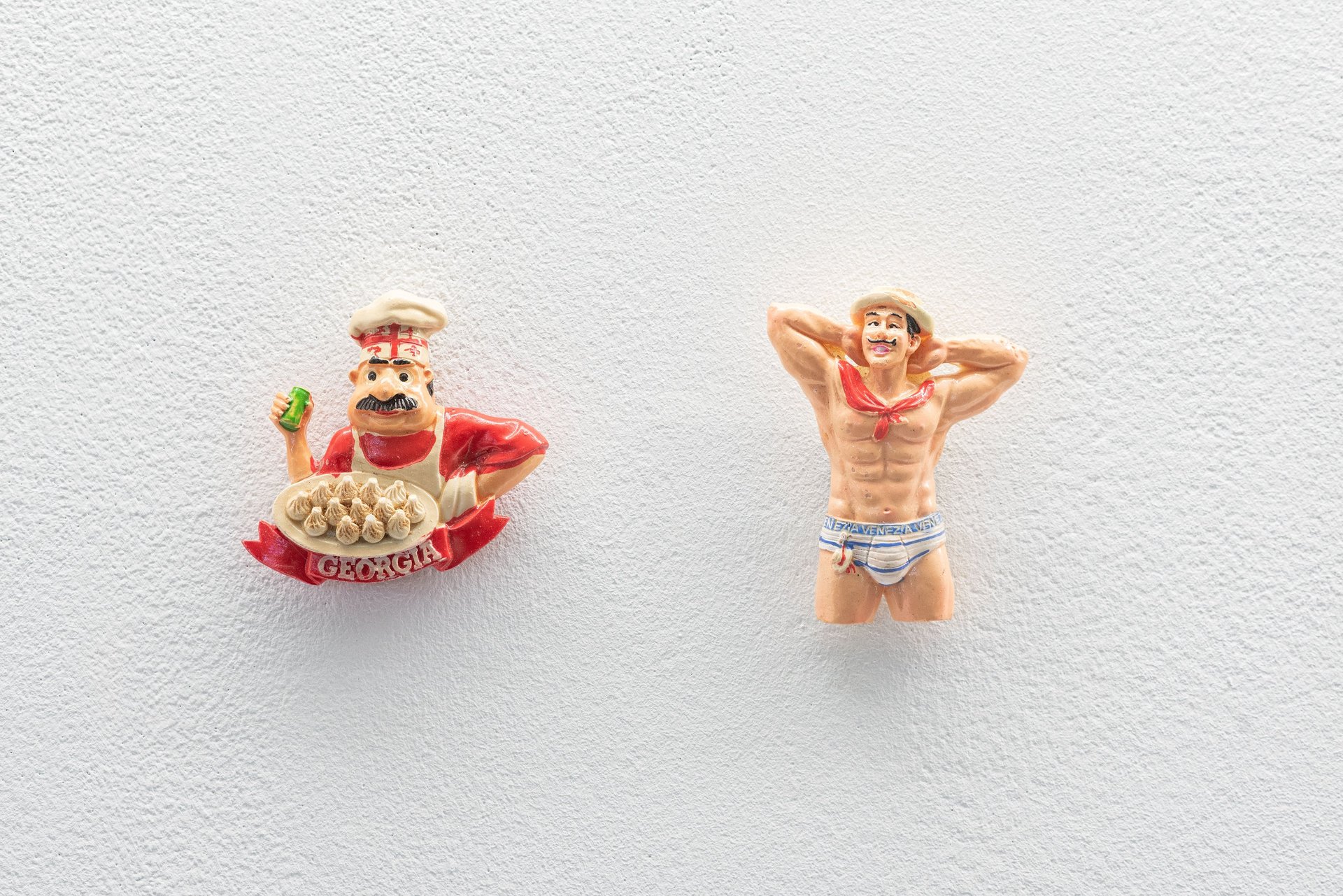
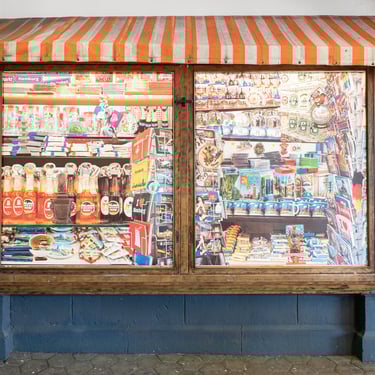
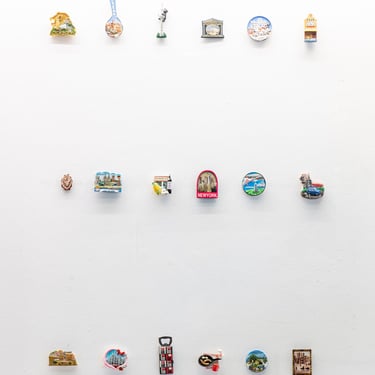
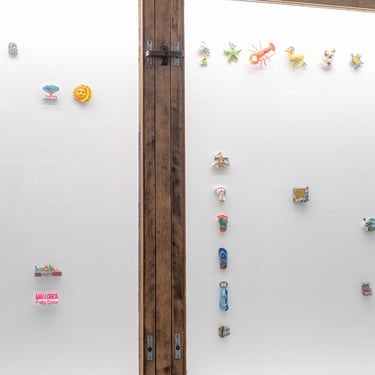
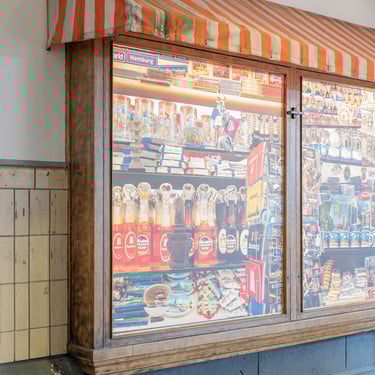
Jil Lahr’s artistic practice is characterized by a fascination with the act of collecting. In her installations, found objects are gathered and playfully rearranged. Selecting, bringing together, and storing objects can bear witness to one's own experience and observation. Moreover it brings forth new forms of order and knowledge. The showcase exhibition is dedicated to a personal collection which is linked to the exhibition site in a special way. Souvenir objects shown symbolically represent vacation destinations and lend an air of permanence to the fleeting impressions of a trip. Simultaneously, the intention of materially recording an individual experience is reduced to absurdity by the mass production of interchangeable souvenirs. As a dutifully purchased souvenir, it serves at best as a keepsake, but often it reveals to be merely a superfluous knickknack. The installation humorously gives the objects a new structure of meaning.
1.7.2022 / Taverne Des Voyageurs
with Dreiländereck Trio (Jil Lahr, Maximilian Scholl and Eliza Wagener)
Photos: Maik Gräf
Kunstverein Harburger Bahnhof
Antikörper
Young art from Belarus
Антыцелы. Маладое мастацтва з Беларусi
2.10.–10.10.21
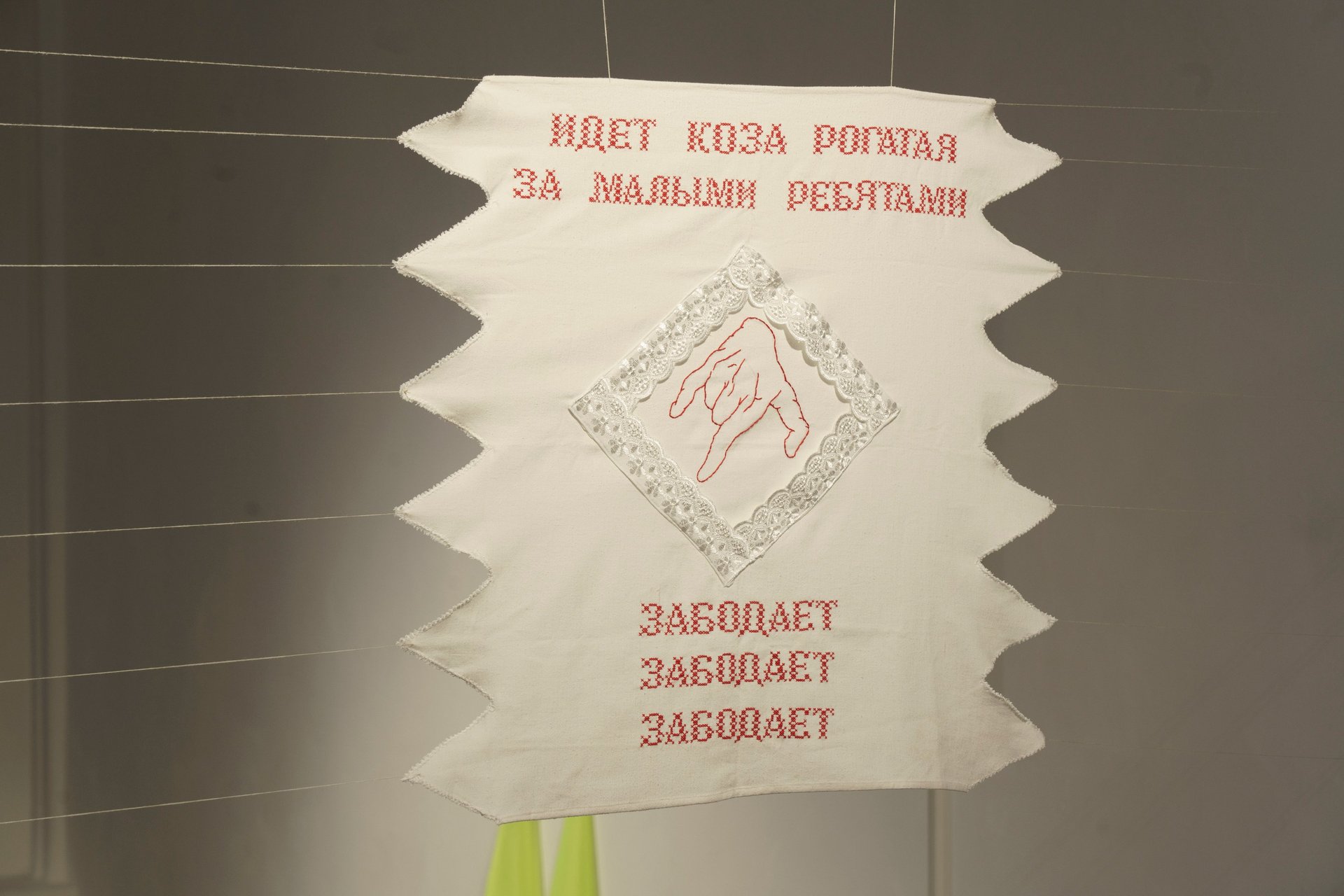
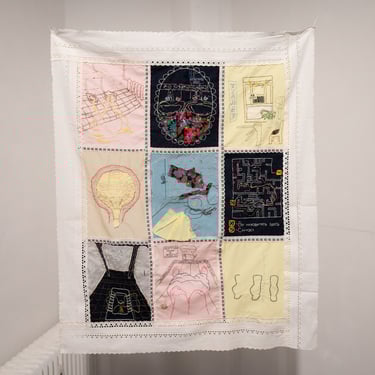
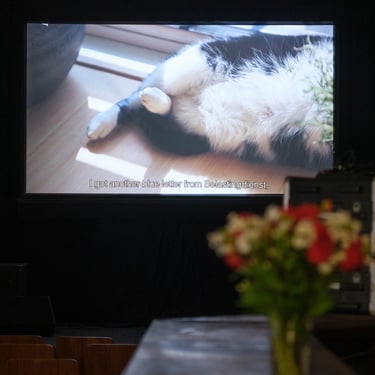
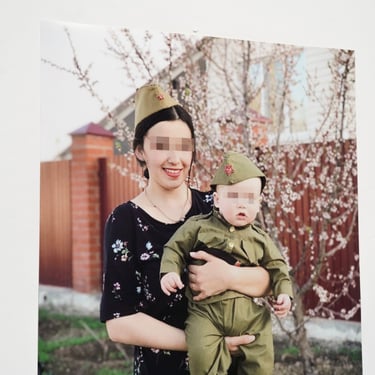
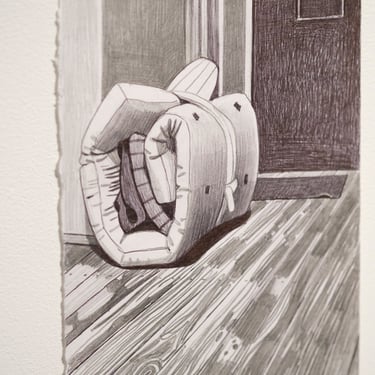
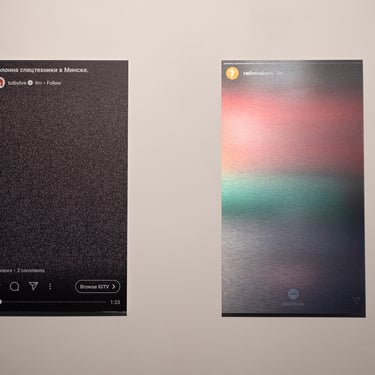
The exhibition reflects on the socio-political and cultural transformation processes in Belarus. For years, Belarus was referred to in the German media as “Europe's last dictatorship.” In the wake of the 2020 protests, there was renewed attention for the peaceful and courageous uprising of the civilian population against the government. The protests gave rise to communities of solidarity and new artistic alliances.
In the exhibition, artists eeefff (Dzina Zhuk and Nicolay Spesivtsev), Ihar Hancharuk, Anastasia Mirontsava, Daria Sazanovich / Sheeborshee, Varvara Sudnik, Aliaxey Talstou, and Tasha Arlova question the power relations of Belarus' past and trace their traces into the present.
Artistic Direction: Marie Kuhn und Kristina Savutsina
Photos: Dmitrij Leltschuk and Julian Slagman
Westwerk Hamburg
10.7.–15.8.2021
Florian Deeg
Jáno Möckel
Leerlauf und: Warten auf Durchzug
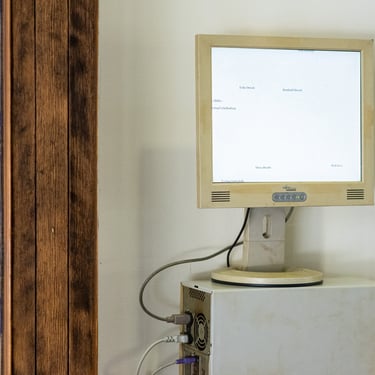
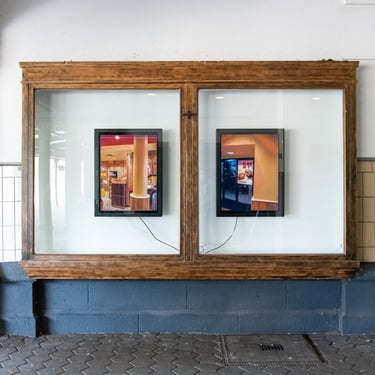
Exhibiting in the showcases of the Kunstverein, Florian Deeg and Jáno Möckel deal with the forgetting of places, objects and human encounters. In doing so, they question the dual character of showcases, on the one hand as a form of museal presentation for art and on the other hand as an advertising format for consumer goods. In their multimedia installation, Deeg and Möckel combine the process of preserving memories with the aesthetics of decay. For this purpose, they appropriate objects and sceneries from everyday life. The recognizable objects and spaces are staged surreally by alienating the material or through unusual perspectives. Behind the glass panes of the showcases, they seem strangely removed from day-to-day life.
Photos: Maik Gräf
Kunstverein Harburger Bahnhof